 Text
Text
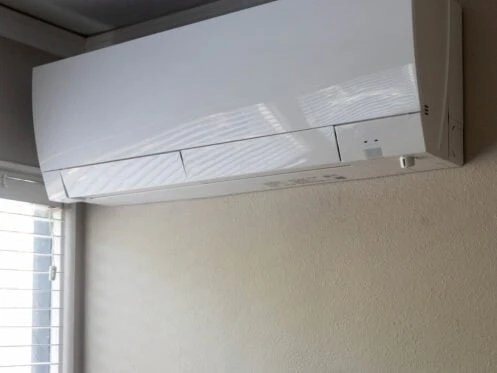
Your power is back. Your AC is not.
Before you start pressing buttons or calling anyone, there’s a short checklist to run first. Most post-outage AC issues are fixable in under 30 minutes, and you don’t need any tools to check them. But if you skip the right steps, you could turn a simple reset into a repair bill that hurts.
Here at Atticman Heating and Air Conditioning, Insulation, we get a wave of calls every time the grid flickers in Sacramento and surrounding areas. The pattern is almost always the same: a homeowner waits too long, restarts the unit too many times, and ends up with a damaged compressor that could have been caught early.
This guide walks you through exactly what to check first, what the symptoms mean, and when to stop and call a licensed technician.
Why Your AC Won’t Turn On After a Power Outage
Power doesn’t just “come back.” When the grid restores, it often brings voltage spikes, brownouts, or surges along with it. Your AC takes the hit silently.
Here are the four most common reasons your system stays off after power returns:
- Built-in blackout protection Most modern AC units have internal safeguards that enforce a delay of up to 30 minutes after power is restored. This prevents short-cycling damage. Your unit isn’t broken. It’s waiting.
- Tripped circuit breaker A surge can overwhelm the breaker for your outdoor condenser unit. If only the outdoor breaker tripped, your indoor fan might still blow air, but it won’t be cool air.
- Failed capacitor The capacitor helps start your compressor. A power surge can blow it instantly. The symptom: your indoor fan runs fine, but the outdoor unit never kicks on and there’s no cooling.
- Compressor damage or lockout Voltage spikes can overheat or lock up the compressor, which is essentially the heart of your AC system. Signs include warm air, grinding or buzzing sounds, or the unit shutting off seconds after it starts. Repeatedly trying to restart makes this worse, not better.
Other possible culprits include control board glitches, a pitted contactor, or safety switch lockouts triggered by grid instability.
The First-Check Checklist (No Tools Required)
Run through these steps before touching anything else. These are safe diagnostic checks only. If any step reveals a problem you can’t resolve here, stop and call a licensed HVAC technician.
Step 1: Wait it out Give it 5 to 30 minutes after power returns. Check your utility provider’s app or ask a neighbor if power is fully stable in your area before assuming your AC is the problem.
Step 2: Check your electrical panel Go to your breaker box and find the breakers labeled for your AC, one for the air handler (indoor unit) and one for the condenser (outdoor unit). If either is tripped, flip it fully off, then back on. Don’t just wiggle it.
Step 3: Reset your thermostat Switch the thermostat to OFF and leave it for 30 seconds. If you have a battery-powered digital thermostat, replace the batteries now. Then set it back to cool, a few degrees below your current room temperature.
Step 4: Check the outdoor disconnect There’s a metal box on the wall near your outdoor condenser unit. Open it and confirm the disconnect switch is in the ON position.
Step 5: Look and smell before you touch Scan the outdoor unit and your electrical panel for burn marks, scorch smells, or any visible damage. If you notice anything like this, stop immediately. Don’t reset anything. Call a professional.
If your system still won’t start after these steps, something deeper is going on.
“My Fan Is Blowing But There’s No Cool Air” — What That Means
This is one of the most common post-outage complaints. And it’s a specific signal, not a random glitch.
When your indoor fan runs but no cooling happens, it almost always means your outdoor condenser unit isn’t operating. That points to either:
- A tripped breaker on the outdoor circuit
- A failed capacitor
- A compressor lockout
The fan running is actually good news — it confirms your indoor air handler has power. The problem is outside.
Do not keep restarting the system. If the compressor is already stressed, repeated attempts to force it on can cause permanent failure. If checking the breaker and outdoor disconnect doesn’t solve it, it’s time to get a technician who provides ac repair services.
Signs Your Compressor May Be Damaged
This is the part most homeowners miss. A stressed compressor doesn’t always fail all at once. It gives you warning signs first.
Watch for these:
- Clicking or humming from the outdoor unit when it tries to start, but then nothing
- Warm air only, even after 20+ minutes of running
- Breaker trips again within minutes of resetting
- Grinding or buzzing sounds from outside
- System starts then shuts off almost immediately
Any of these symptoms after a power outage is a sign your capacitor or compressor took a hit. This is where DIY stops making sense. A failed capacitor caught early is a straightforward repair. A burned-out compressor is a much bigger job.
Many homeowners we talk to in the Sacramento area wait a few extra days hoping the AC would “sort itself out.” In several cases, what started as a capacitor issue turned into a full compressor replacement, simply because the system kept being restarted.
When to Call a Licensed HVAC Technician Right Away
Don’t wait if any of the following apply:
- The breaker trips again after you reset it
- The fan runs but produces no cool air after 20 minutes
- You hear clicking, buzzing, grinding, or humming from outside
- You smell burning or see any visible damage
- Your unit is 8 or more years old (older systems carry more cumulative stress risk)
- Someone in your home has health needs that depend on reliable cooling
Summer in Sacramento is not the time to guess. Temperatures in areas like Elk Grove, Folsom, and Roseville can stay dangerously high through the night. If your AC isn’t working and you’re not sure why, a diagnostic call now is much cheaper than a compressor replacement later.
At Atticman Heating and Air Conditioning, Insulation, we offer no-charge diagnostic services so you know exactly what’s wrong before committing to any repair.
How to Protect Your AC From the Next Outage
Once your system is back up and running, it’s worth thinking about prevention. Power events in California are not rare. PG&E’s PSPS (Public Safety Power Shutoff) events, summer storms, and grid strain during heatwaves mean your AC is exposed to surge risk every season.
The most effective solution is a whole-home surge protector installed at your main electrical panel.
Here’s why it matters:
- Plug-in surge strips don’t protect hardwired equipment like your AC
- Whole-home protection guards your compressor, control board, and all connected HVAC components
- It protects against surges coming in from the grid, not just internal spikes
- Installation must meet California electrical code requirements for proper grounding and sizing
If you’re in California, any new AC install or major repair also needs to comply with current Title 24 energy standards, which now require a minimum SEER 15 rating for new systems as of 2026. If your unit is aging and took a surge hit, replacing it with a compliant system may make more sense than repeated repairs on older equipment.
Speak with a licensed HVAC contractor in your area to get a recommendation specific to your system and home.
Is It Worth Repairing or Time to Replace?
This question comes up often after power events, especially for older units.
Here’s a simple way to think about it:
| Situation | Likely Recommendation |
| Unit under 8 years, capacitor failed | Repair makes sense |
| Unit over 10 years, repeated issues | Replacement worth exploring |
| Compressor damaged on older unit | Often more cost-effective to replace |
| New unit, first outage issue | Repair or warranty claim |
A licensed technician can assess your specific system and give you a straight answer. At Atticman Heating and Air Conditioning, Insulation, we walk homeowners through the honest comparison so they can make the right call for their home and budget.
What to Tell the Technician When You Call
When you reach out for service, having a little information ready speeds things up.
Tell them:
- When the power outage happened and how long it lasted
- What your AC is doing now (no response, fan only, strange noise, etc.)
- Whether the breaker was tripped when you checked
- The age of your unit if you know it
- Any burning smell or visible signs of damage
This gives the technician a head start before they even arrive.
Is Your AC Covered If a Surge Damaged It?
This depends on your homeowner’s insurance policy and whether you have equipment breakdown coverage. Some policies cover surge-related HVAC damage. Others don’t.
Steps to take if you believe a power surge damaged your unit:
- Document the outage date and time (check your utility provider’s outage map or app)
- Note what symptoms appeared and when
- Get a written diagnostic report from a licensed HVAC technician
- Contact your insurance provider to check your coverage
Atticman Heating and Air Conditioning, Insulation can provide documentation of the issue found during diagnosis, which can be helpful when working with an insurance claim.
Get Your AC Checked Before the Heat Gets Worse
Atticman Heating and Air Conditioning, Insulation serves homeowners across Sacramento, Roseville, Folsom, Elk Grove, Citrus Heights, Auburn, Carmichael, Davis, El Dorado Hills, Lincoln, Rancho Cordova, and dozens of surrounding communities.
If your AC isn’t responding after a power outage, don’t wait. One call tells you exactly what happened and what it costs if you leave it.
Schedule your no-charge diagnostic today. We’ll tell you what’s wrong before you commit to anything.
Frequently Asked Questions
Why won’t my AC turn on after the power came back? The most common reasons are a built-in delay timer (up to 30 minutes), a tripped circuit breaker, a failed capacitor, or a compressor lockout caused by the surge. Run through the checklist above before assuming the worst.
How do I reset my AC after a power outage? Turn the thermostat to OFF, check and reset the breakers in your electrical panel, wait 30 seconds, then set the thermostat back to cool. If the unit still doesn’t respond or trips the breaker again, call a licensed technician.
Can a power outage damage my AC compressor? Yes. Voltage spikes during power restoration can overheat or lock up the compressor. Signs include warm air, clicking or buzzing sounds, or the system shutting off shortly after starting. Repeated restart attempts after a lockout can make the damage worse.
My AC fan is running but no cool air is coming out. What’s wrong? This usually means the outdoor condenser unit isn’t operating. Check the outdoor breaker and the disconnect switch near the condenser. If those are fine, the issue is likely a failed capacitor or a compressor problem that needs a technician.
How long should I wait before turning my AC back on after a power outage? Wait at least 5 to 10 minutes after power is restored to allow the grid to stabilize. If your unit has a built-in delay, it may take up to 30 minutes before it starts. Don’t force restart it repeatedly during this window.
Does homeowner’s insurance cover AC damage from a power surge? It depends on your policy. Some homeowner’s insurance policies include equipment breakdown coverage that applies to surge damage. Document the outage, get a written diagnostic from a licensed HVAC contractor, and contact your insurer to check your specific coverage.
What is the best way to protect my AC from future power outages? A whole-home surge protector installed at your main electrical panel is the most effective option. Plug-in strips don’t protect hardwired HVAC equipment. Have it installed by a licensed electrician following local code requirements.
How do I know if my AC capacitor is blown after an outage? Common signs include the outdoor unit humming or clicking but not fully starting, no cooling despite the fan running, and the outdoor fan blade not spinning. A technician can test and confirm this with a quick diagnostic.
Does Atticman Heating and Air Conditioning, Insulation serve my area? Atticman Heating and Air Conditioning, Insulation serves homes across Sacramento, Roseville, Folsom, Elk Grove, Citrus Heights, Auburn, Carmichael, Davis, El Dorado Hills, Lincoln, Rancho Cordova, Antelope, Loomis, Orangevale, Fair Oaks, and many more communities in the greater Sacramento region.