 Skip to main content


Proudly Serving Sacramento & Nearby Areas



Trusted by 3003+ Customers
AC Unit Freezing Up in Summer? Questions People Ask
Sacramento’s Trusted Home Comfort Experts


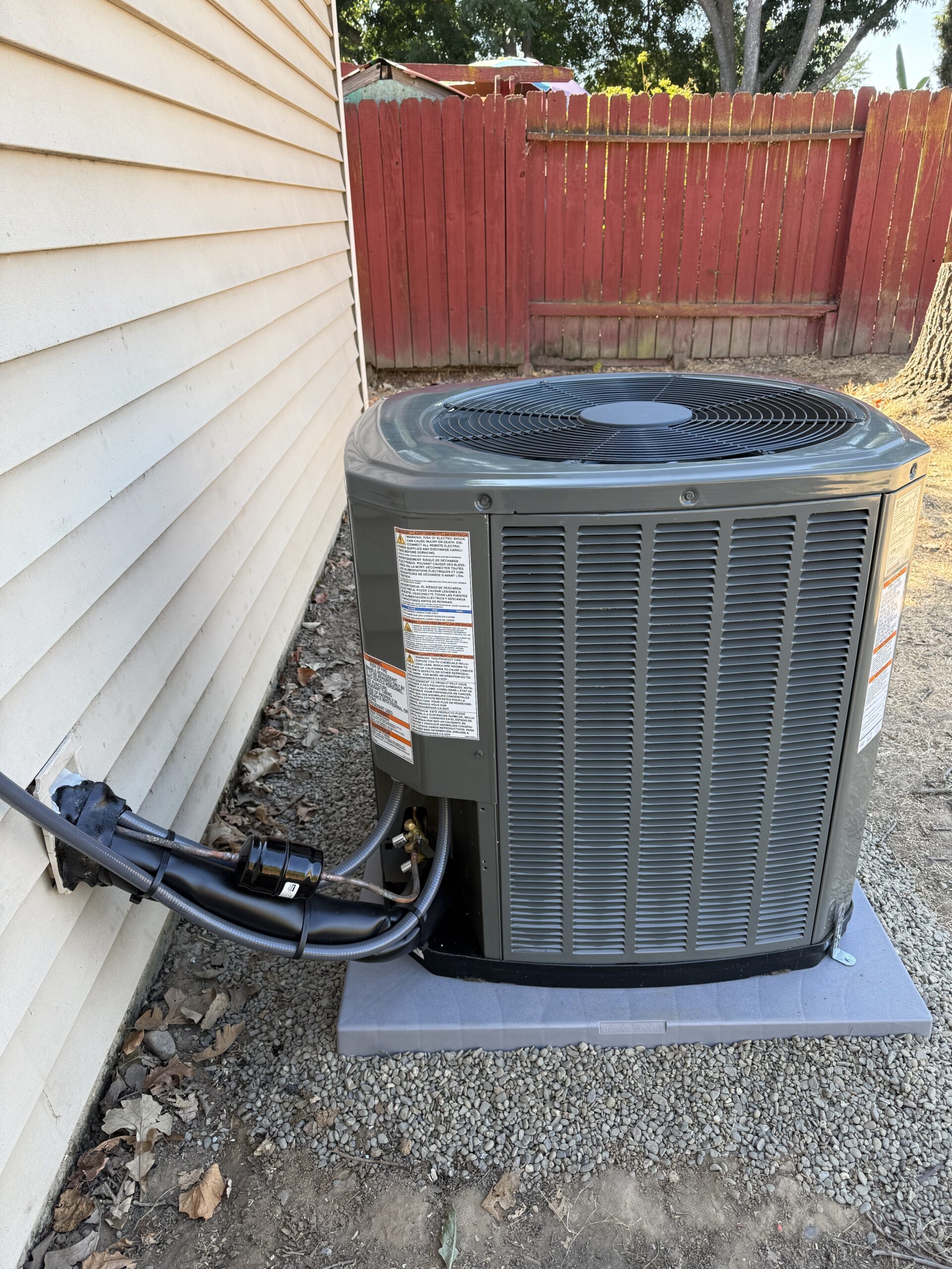
It’s 101 degrees in Sacramento, your AC quits blowing cold, and when you walk over to check it, you find ice on the unit. Frozen solid. During a heat wave. It feels like your system is playing a cruel joke on you.
Here’s some good news: a frozen AC is one of the most common calls our technicians get during peak summer, and it often starts with something small. But it can also turn into a bigger, wetter problem fast, especially once that ice starts to melt.
We put this guide together at Atticman Heating and Air Conditioning, Insulation to answer the exact questions people type in the moment this happens. If you’re already searching for Sacramento HVAC contractors at 2 p.m. on a triple-digit day, read this first. A couple of these answers can protect your compressor before anyone even shows up at your door.
Let’s start with the question everyone asks first.
Why Is My AC Unit Freezing Up in the Summer?
Quick answer: Your AC freezes because the evaporator coil gets too cold, so moisture from the air turns to ice on it instead of draining away. Two things usually cause this: restricted airflow or a refrigerant problem.
An evaporator coil is the indoor part of your system that pulls heat out of your air. It needs a steady flow of warm air passing over it. When that airflow drops, the coil temperature falls below 32 degrees and frost starts to grow.
The leading cause is a dirty air filter. A clogged filter chokes off airflow, and the coil freezes. Other airflow problems include closed or blocked vents, a dirty coil, or a weak blower motor. Dirt on the coil acts like a blanket that traps cold and blocks heat, so ice forms even faster.
The other cause is low refrigerant, almost always from a small leak. Low pressure drops the coil temperature too, and it freezes over. Faulty metering valves, sensors, or relays can do the same thing. These parts need a trained technician, not a homeowner with a wrench.
Can My AC Really Freeze When It’s 100 Degrees Outside?
Yes. This trips people up every year. Freezing is about the coil temperature, not the temperature outside. A coil can drop below freezing on the hottest afternoon of the year, which is exactly why this is one of the most common mid-season service calls we handle.
And Sacramento summers make the stakes high. The region set a record in 2024 with 45 days of 100-degree heat, nearly double the usual average of about 23 days. When your AC freezes during a valley heat spell like the ones we’ve had this week, that’s not a minor annoyance. It’s a same-day emergency, and it happens right when repair calendars are packed.
Why Does My AC Freeze Up at Night but Not During the Day?
This one is very Sacramento. Our Delta breeze cools valley nights down into the 60s even after a 100-degree day. This week’s forecast is a good example: a high near 101 with an overnight low around 63.
When you run the AC overnight and outdoor temps drop, the system can struggle to regulate refrigerant flow. That imbalance can push the coil below freezing while you sleep, so you wake up to ice you never saw forming.
How Do I Know If My AC Is Frozen? It’s Not Always Visible Ice
You won’t always see a big block of ice. Look for these signs instead:
- Ice or frost on the copper suction line (the larger refrigerant line running to the outdoor unit)
- Water pooling near the indoor air handler
- Condensation in or around the drain pan
- Higher energy bills because the system runs and runs without cooling
- Hissing or bubbling sounds, which can point to uneven refrigerant flow
If the refrigerant line is coated in ice, your system is frozen. That’s your cue to act.
Should I Turn Off My AC If It’s Frozen? Read This First
This is the single most important answer in this guide, so we’re putting it up top.
Turn your thermostat to OFF to stop the cooling cycle. Then set the fan to ON so warm indoor air blows across the coil and melts the ice faster.
Why the urgency? Running an AC with a frozen coil can pull liquid refrigerant back into the compressor instead of vapor. Technicians call this liquid slugging. Compressors are built to compress gas, not liquid, and slugging can wreck the component in minutes.
Here’s the part that stings: replacing a compressor often costs about as much as replacing the whole outdoor unit. So flipping that thermostat off is one of the cheapest things you’ll ever do for your AC.
Need eyes on it fast? Our team offers no-charge diagnostics, so you can find out what’s wrong before you commit to any repair. Call us to get on the schedule the same day.
How Long Does a Frozen AC Take to Thaw?
It depends on how much ice there is and how warm your home is. Plan for anywhere from about 1 to 24 hours. A light frost with the fan running can clear in an hour or two. A coil fully encased in ice can take most of a day.
Running the fan speeds things up every time. And please, watch the drain pan while it thaws. That leads us to the next question.
Can I Chip the Ice Off or Pour Hot Water on It?
No. We know it’s tempting when it’s hot and you’re impatient, but don’t do either.
Never chip at the ice. You can puncture a pressurized refrigerant line, which turns a simple repair into a major one. And skip the hot water, steam, or chemicals. Forcing a fast thaw can warp the thin aluminum fins on the coil. Let it melt on its own with the fan on.
Will a Frozen AC Leak Water Into My House or Attic?
Here’s the part most frozen-AC articles skip, and it matters a lot if your air handler lives in the attic like many Sacramento homes.
A big block of ice can hold several gallons of water. When it melts fast, all of that has to go somewhere. If your condensate drain is slow or clogged, the thaw water overflows the drain pan. In an attic setup, that water can soak insulation, warp joists, stain drywall ceilings, and create the damp conditions mold loves.
This is where being an HVAC and insulation company actually helps you. When we thaw and repair a frozen coil, we can also check whether your attic insulation took on water, something a repair-only shop isn’t set up to assess.
One smart safeguard: a float switch or drain pan alarm shuts the AC off when it senses water in the overflow pan, stopping a small leak before it becomes a ceiling repair.
Does Homeowners Insurance Cover Water Damage From an AC Leak?
Short answer: It depends on your policy, and the cause matters a lot.
In general, homeowners insurance tends to cover water damage when the leak was sudden and accidental. If the damage came from a slow leak or skipped maintenance, many policies deny the claim. Coverage usually applies to the resulting damage to walls, floors, and ceilings, not to repairing the AC unit itself unless a covered event damages it.
So if this happens to you: document everything with photos, get a written diagnosis from your HVAC pro first, then review your policy and call your insurer. Coverage varies, and your insurance company is the right authority on your specific plan.
Notice the pattern here. A neglect-based denial is the expensive outcome, which is exactly why regular maintenance pays for itself.
Can I Fix a Frozen AC Myself?
Honestly? Only part of it.
What you can safely do: change or replace the air filter, open any closed or blocked vents, and switch the thermostat off to let it thaw.
What you should not touch: anything involving refrigerant, the sealed system, the blower motor, or electrical parts. That’s diagnostic work.
We use a simple order we call the Airflow-First Freeze Diagnosis. We check the whole air path (filter, then returns, then ducts, then blower, then coil) before anyone talks about refrigerant. Most freezes trace back to airflow, and airflow fixes are cheaper. Refrigerant comes last, not first.
Here’s a side-by-side to help you sort out what you’re dealing with:
| Freeze cause | What you’ll notice | Can you fix it yourself? |
| Airflow restriction | Weak airflow from vents, dirty filter, dusty coil, closed registers | Partly. Replace the filter (every 30 to 60 days) and open vents. Coil and blower work needs a pro. |
| Refrigerant problem | Ice returns within 24 hours, hissing or bubbling, rising bills | No. Refrigerant work is federally restricted and requires certified tools. |
The tell: if your AC freezes again within 24 hours of a filter change, it’s likely a refrigerant or blower issue. Repeated freezing won’t fix itself, and it needs professional tools.
Is It Illegal to Add Refrigerant to My Own AC?
Yes, in practical terms, it is. This isn’t a sales pitch. It’s federal law.
Under EPA Section 608, anyone who opens the refrigerant circuit, even just to add refrigerant, must hold an EPA certification. There’s no exception for years of experience. On top of that, homeowners cannot legally buy bulk R-410A refrigerant. Purchasing it in a cylinder requires that same certification.
So when a pro says “we can’t just top it off for you at home,” that’s the reason. The rule comes from the EPA, not from us.
The 2026 Refrigerant Change Every Sacramento Homeowner Should Know
If your freeze is caused by a refrigerant leak, the repair conversation has shifted since 2025, and most older articles miss this.
The AIM Act phasedown took effect January 1, 2025. New residential split systems using R-410A are no longer being manufactured. Here’s the reassuring part: you do not have to replace a working R-410A system. Reclaimed and recycled R-410A is still legal for servicing existing equipment, so technicians can keep recharging and repairing your current system. Supply is finite, though, so costs may rise gradually over time.
New systems now use different refrigerants. R-454B (branded Puron Advance) is the main replacement in ducted central systems, including Trane equipment, which we install as a Trane dealer. R-32 shows up in many ductless mini-splits. These newer A2L systems include built-in leak sensors. One key fact: you cannot retrofit an existing R-410A system to run R-454B or R-32. The pressures and oils are different, so they’re purpose-built systems.
Do I Need a Permit to Replace My AC in California?
For most repairs, no. Swapping a capacitor, recharging refrigerant, or replacing a motor typically does not require a permit.
But a full equipment change-out (a new AC, furnace, or heat pump) does require a permit and field verification. Under Title 24, most central AC change-outs in California need independent testing to confirm the refrigerant charge is correct and airflow across the coil meets the minimum.
One fresh detail worth knowing: for permit applications submitted on or after January 1, 2026, the field verification once called HERS testing now falls under the California Energy Commission’s Energy Code Compliance (ECC) program. The name changed. The purpose didn’t.
Think about what that means. Correct refrigerant charge is a state-verified requirement in California, because a bad charge wastes energy. And a bad charge is one of the same problems that freezes your coil. That’s a pretty clear reason certified pros exist.
Does a Frozen AC Mean I Need a New Unit?
Usually not. Most freezing comes from airflow restrictions or a repairable refrigerant leak, and both are fixable.
Replacement becomes the smarter money move mainly when a system is over 15 years old and runs on older refrigerant. At that point, repairing a major leak can cost more than the system is worth, especially as R-410A supply tightens.
How Do I Stop My AC From Freezing Up Again?
Prevention is mostly about airflow and clean parts. Here’s what actually works:
- Change your filter every 30 to 60 days during the cooling season, or more often if you have pets. ENERGY STAR recommends checking the filter monthly. Per the U.S. Department of Energy, replacing a clogged filter can cut AC energy use by 5% to 15%.
- Keep the condensate drain clear so thaw water and normal moisture drain out instead of backing up.
- Get a spring tune-up. A technician cleans the coil, measures the refrigerant charge, and tests blower amperage, catching small issues before they snowball.
- Add a float switch to shut the system off if the overflow pan fills.
Why the annual coil cleaning matters more than people think:
According to the U.S. Department of Energy, a dirty condenser coil can raise a compressor’s energy use by about 30%.
And a coil doesn’t stay clean as long as you’d hope. Research from Lawrence Berkeley National Laboratory found that a typical home coil fouls enough to double the pressure drop across it in roughly 7.5 years, far sooner than the 15 to 30 years a coil is expected to last. A yearly look keeps efficiency up and freezing down.
Want to stop doing this math yourself? A seasonal maintenance plan puts a technician on your coil, charge, and drain line on a schedule, so a hot afternoon never turns into a soaked ceiling. Ask us about signing up.
Get Your Frozen AC Diagnosed the Same Day
A frozen coil during a Sacramento heat wave isn’t something to wait out. Turn the thermostat off, run the fan, watch the drain pan, and get a real diagnosis before running it again.
That’s where we come in. Atticman Heating and Air Conditioning, Insulation provides honest, repair-first AC service, and our diagnostics are no-charge, so you understand the problem before you spend a dime on the fix. We handle repair, installation, and maintenance across Sacramento, Roseville, Folsom, Elk Grove, Citrus Heights, Rancho Cordova, El Dorado Hills, Auburn, Rocklin, Davis, and dozens more communities in the region.
Call us or schedule online today, and let’s get your home cool again.
Frequently Asked Questions
Is a frozen AC an emergency I should call about right away? If it’s frozen during a heat spell, yes. Once you switch it off to thaw, you’re without cooling, and repeated freezing points to a deeper issue. During peak summer our calendars fill fast, so booking early gets you seen sooner.
My AC keeps freezing after I change the filter. What now? A fresh filter that doesn’t fix it usually means the cause is deeper, often low refrigerant from a leak or a struggling blower. Both need certified tools and testing. That’s your sign to have a technician look before more ice forms.
Do you really offer no-charge diagnostics? Yes. We inspect the system and explain what’s wrong at no charge, so you can make a clear decision on repairs without pressure.
How fast can you come out during a heat wave? We work to get to Sacramento-area homes the same day when we can during peak heat, but demand runs high in July and August. The sooner you call after a freeze, the better your odds of a fast slot.
Do you service my area? We cover a wide stretch of the greater Sacramento region, including Antelope, Carmichael, Fair Oaks, Orangevale, Rancho Murieta, Wilton, West Sacramento, Galt, Lincoln, Loomis, Placerville, and many more nearby communities. Call and we’ll confirm your address.
Recent Posts
AC Not Keeping Up With Heat? What Our Service Calls Show

Sacramento HVAC Leader Mario Lopez Named to 40 Trades Under 40 Class of 2026
AC Taking Too Long to Cool? Here’s What’s Actually Wrong
Questions or Concerns?
Fill out this form and our team will get back to you as soon as possible.
THE TRUSTED TEAM THAT PUTS YOUR HOME FIRST
Get expert service for your home today!


Homegrown service you can trust, built by a local.
Proudly serving the neighborhood we grew up in.